Our team
Since 2016, the Akongo team has supported zoos, aquariums and laboratories in monitoring the welfare of their animals. Ethology, veterinary medicine and tool development: three areas of expertise brought together in one team.
The team members
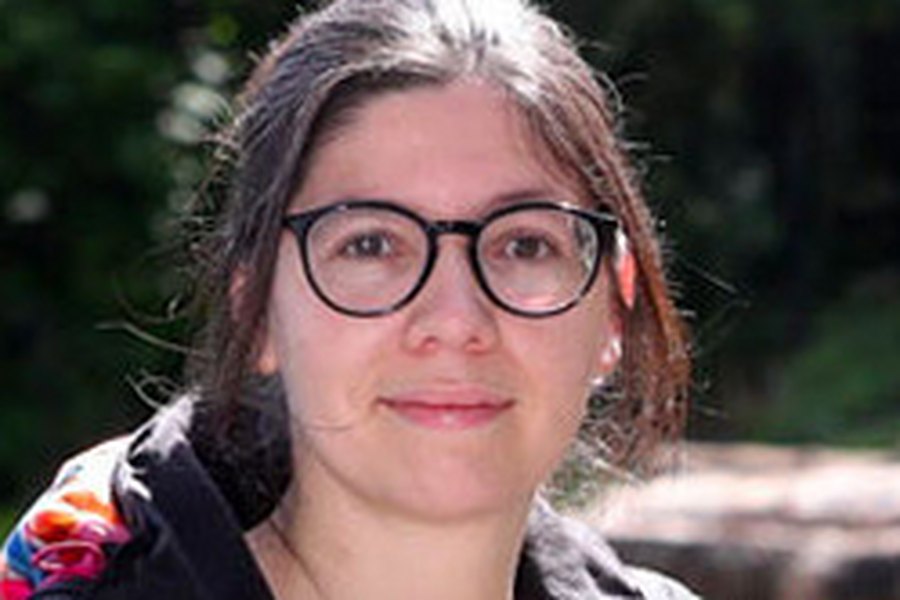
Amélie Romain, PhD
Founder
LinkedIn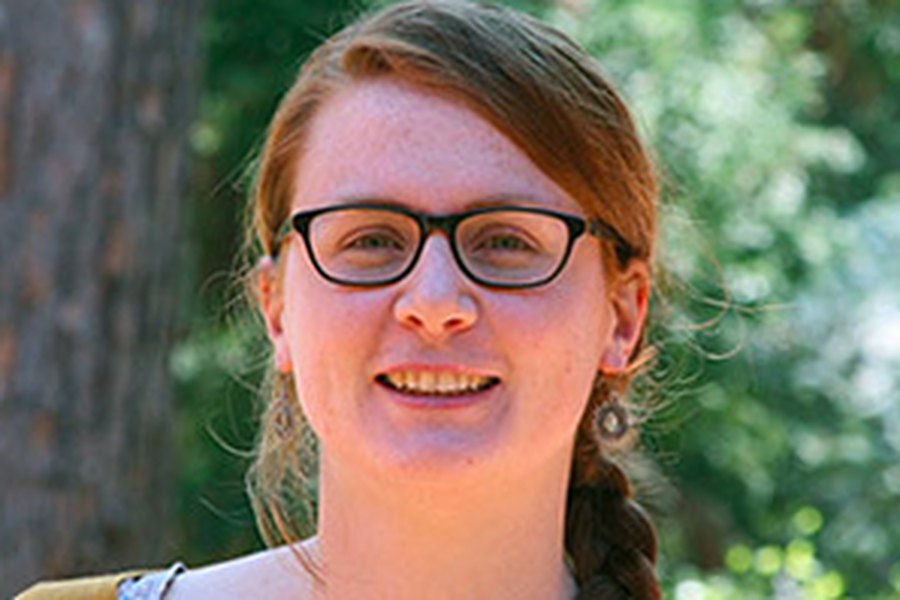
Léa Briard, PhD
Head of R&D
LinkedIn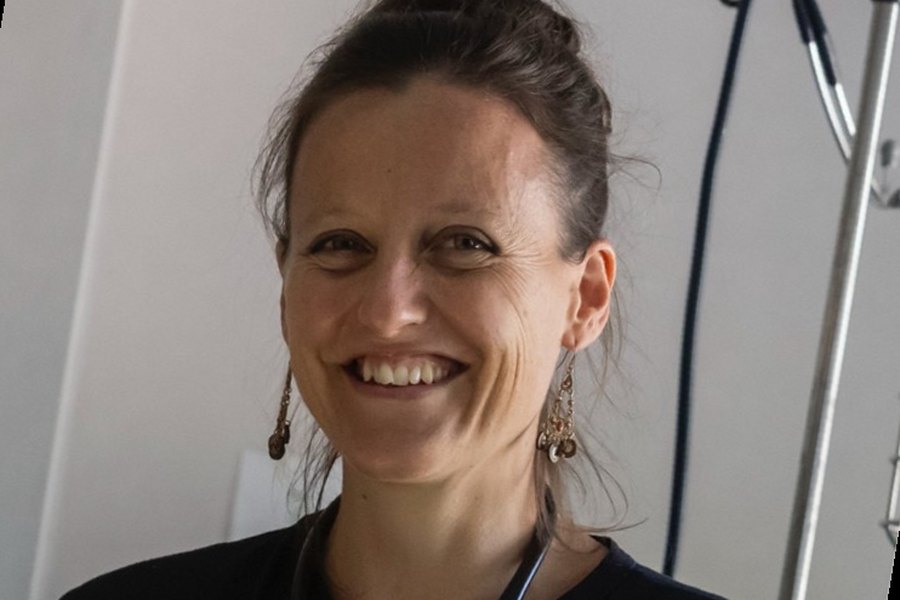
Mélanie Berthet, DVM
Research Engineer - DVM, Dipl Wildlife & Environmental Health
LinkedIn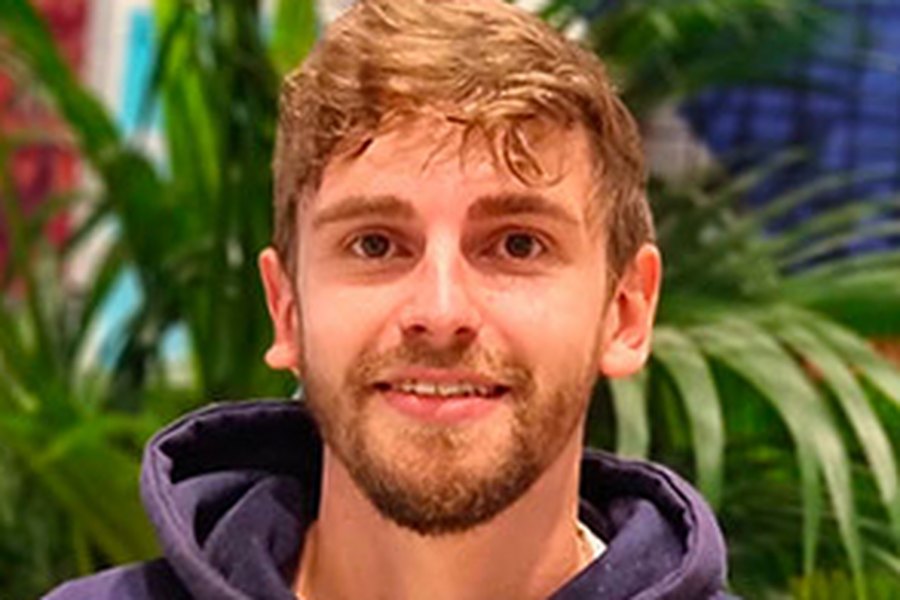
Joseph Caspar Cohen, PhD
Project Manager in Ethology
LinkedIn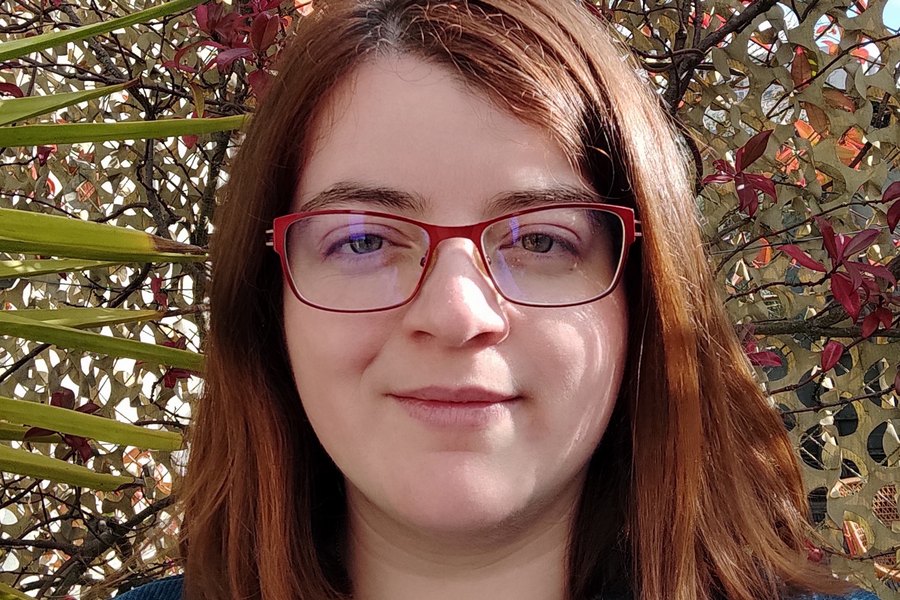
Emmeline Caray, MSc
Project Manager in Ethology
LinkedIn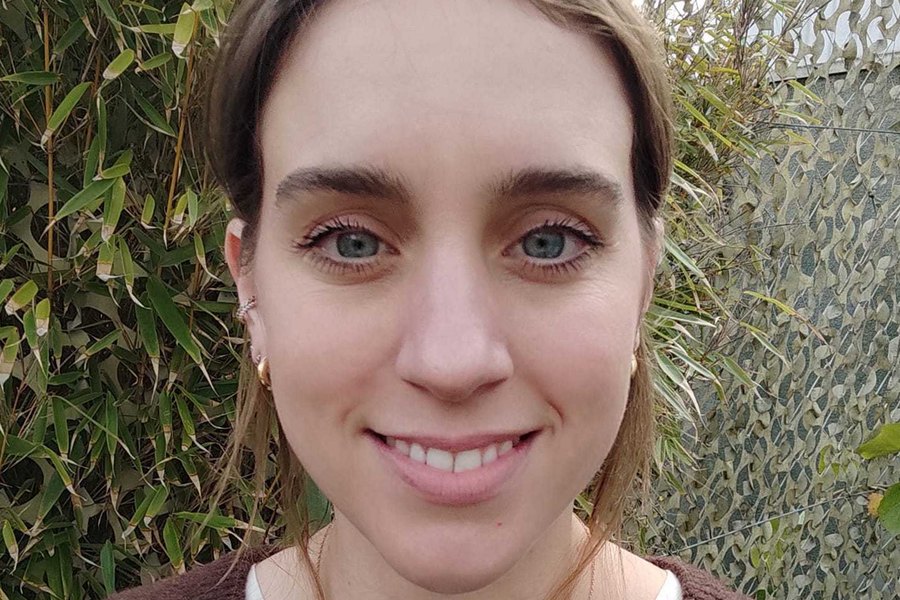
Marion Charrier, PhD
Project Manager in Ethology
LinkedIn
Mélanie Duval, MSc
Project Manager in Ethology
LinkedIn
Elsa Marçon
PhD student in ethology and physiology
LinkedIn
Gwenaël Leroutier, MSc
Partner - Head of Technology Development
LinkedIn
A scientific approach, from measurement to action
Working with the team
In addition to the tools, the team steps in when you need it:
Scientific and methodological advice
Data analysis, design of specific protocols, species-specific recommendations and monitoring of the scientific literature.
On-site support
Regular days at your facility to support the teams, put the actions in place and follow practices over time.
Research projects
Setting up and following collaborative research projects with your facility, in zoos as well as in laboratories.
Team training
On site or remotely: welfare assessment, use of the tools, observation method and reading of the results.
Exchanges in the app
At the end of an observation or a questionnaire, a comment lets you send context information to Akongo's ethologists or report an anomaly. The team's replies appear with your notes in Animal Welfare Monitor.
Research and scientific collaborations
The team carries out research projects in ethology and animal welfare, in zoos as well as in laboratories:
Approved research organisation
Akongo is approved as a research organisation by the French Ministry of Higher Education, Research and Innovation. For French institutions, research services entrusted to Akongo may be eligible for the French Research Tax Credit (Crédit d'Impôt Recherche, CIR).
CIFRE PhDs
The team hosts PhD students under the CIFRE scheme (Conventions industrielles de formation par la recherche, industrial research training agreements), co-funded by ANRT (the French National Association for Research and Technology).
Scientific collaborations
Depending on the project, the team works with scientists from CNRS, INRAE, universities and veterinary schools.
Publications and conferences
The team publishes its results in scientific journals, presents them at conferences and takes part in organising scientific conferences and workshops.
Recent publications by the team
Two articles published in 2026, co-authored by members of the team:
- For zoos — Romain, A., Briard, L., Leroutier, G., Parker, M., Chenet, B., Wagner, C., Petry, A., & Quintard, B. (2026). Animal Welfare Monitor: Raising the bar for species-specific welfare evaluation using Welfare Quality® principles. Animals, 16(5), 842. https://www.mdpi.com/2076-2615/16/5/842
- For primates housed in research laboratories — Caspar-Cohen, J., Demellier, J., Pellé, S., Valenchon, M., Ravel, S., Romain, A., & Petit, O. (2026). The Primate Welfare INdicators project (PWIN): For an objective and standardised welfare assessment of non-human primates used in research. Animal Welfare, 35, e36. cambridge.org
Add the team's expertise to your approach
Learn more about our solutions
- Training
Discover our training organisation and develop your expertise in ethology and animal welfare.
- Methodology
Discover our animal welfare assessment method, based on questionnaires and behavioural observations.
- Animals
Discover the species we monitor and the specific programmes available for each.